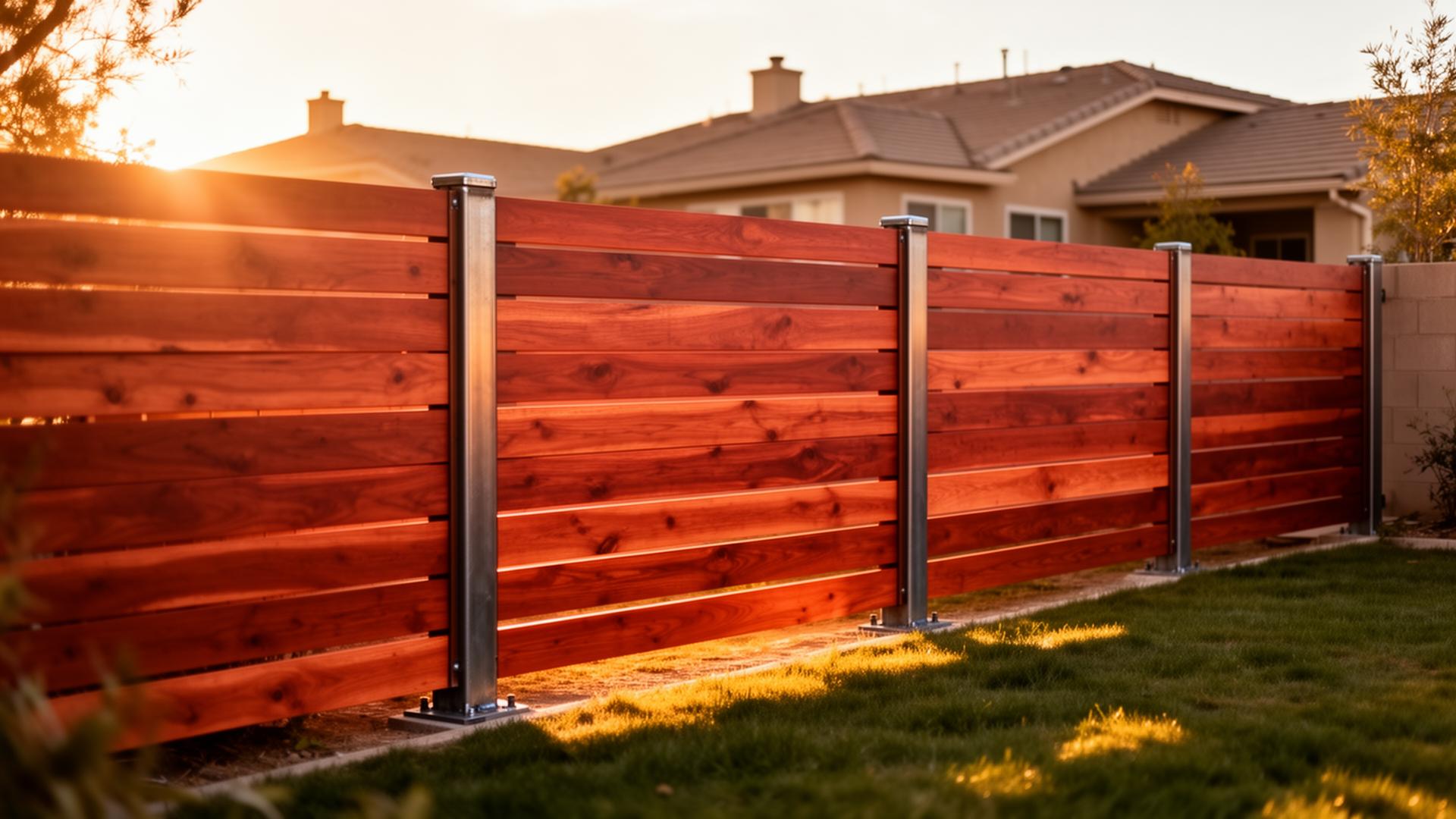
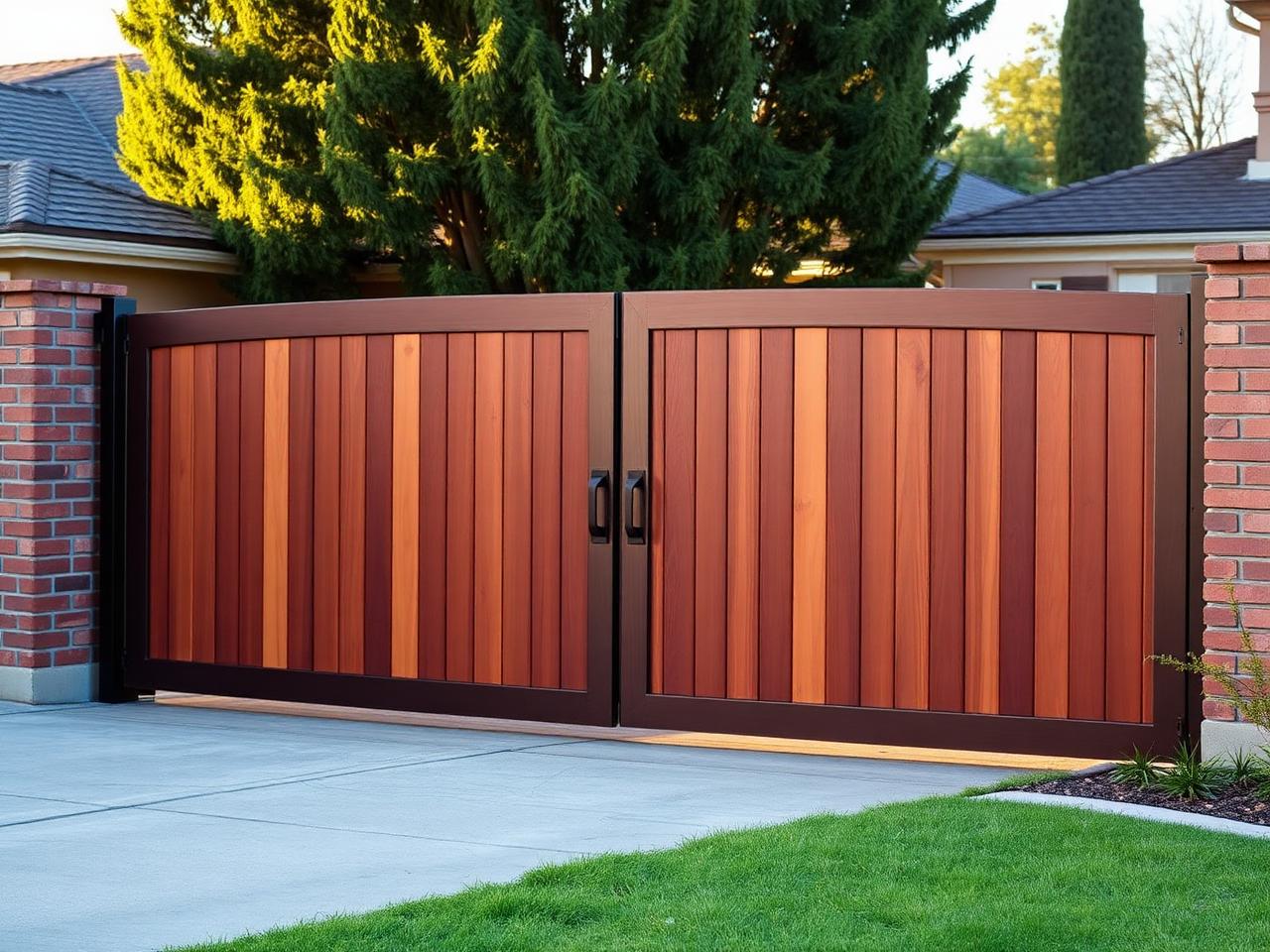
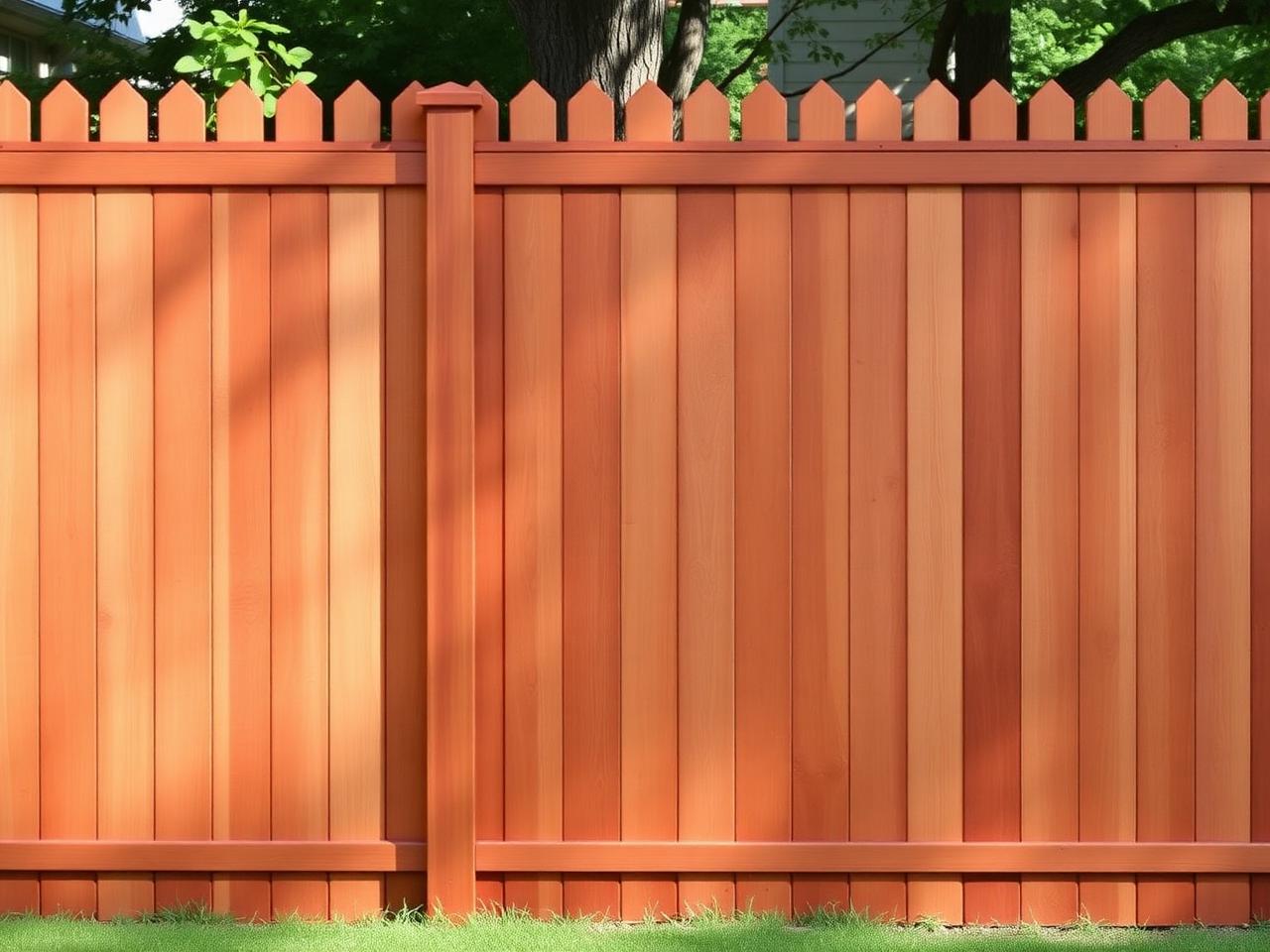
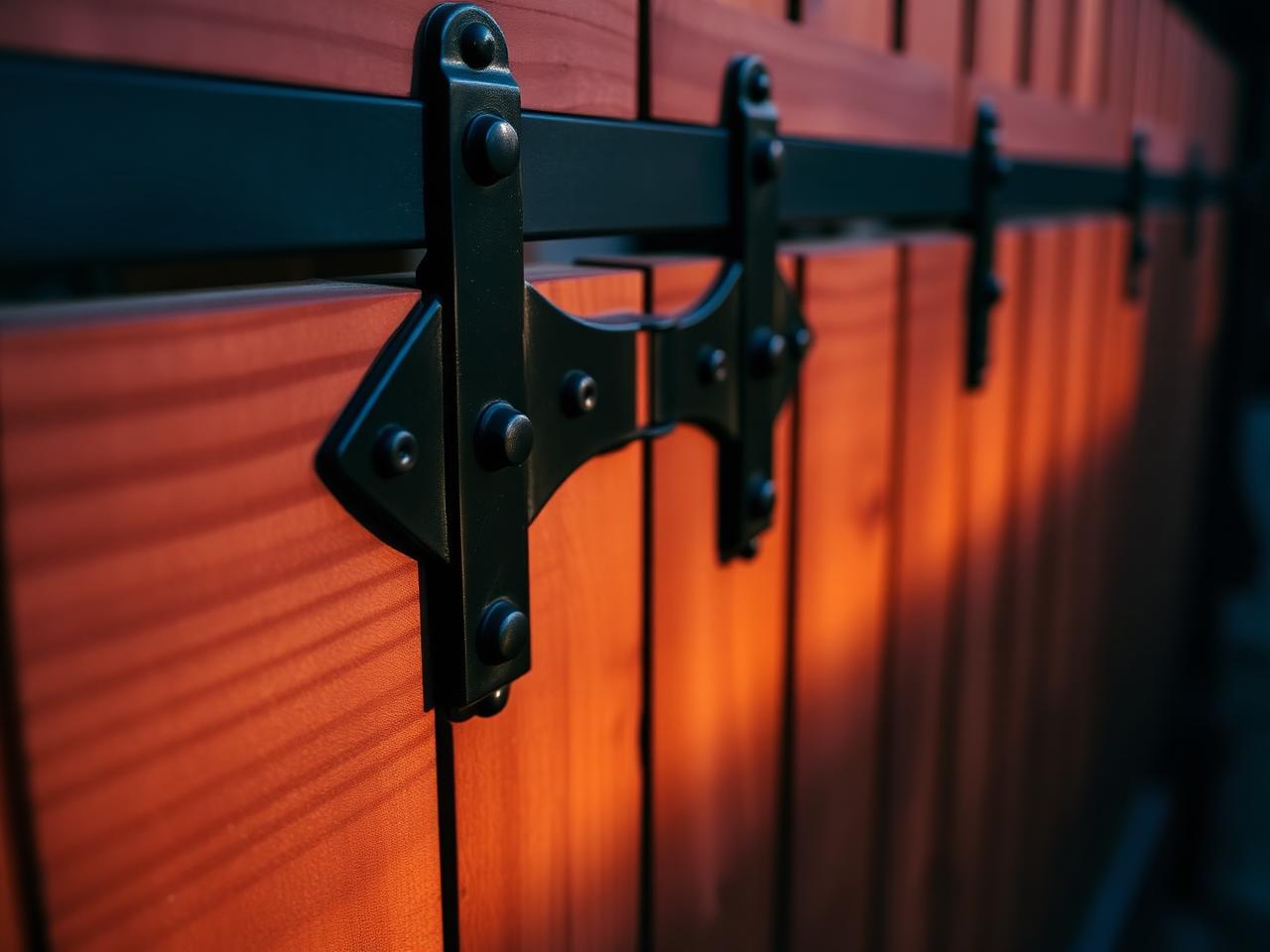
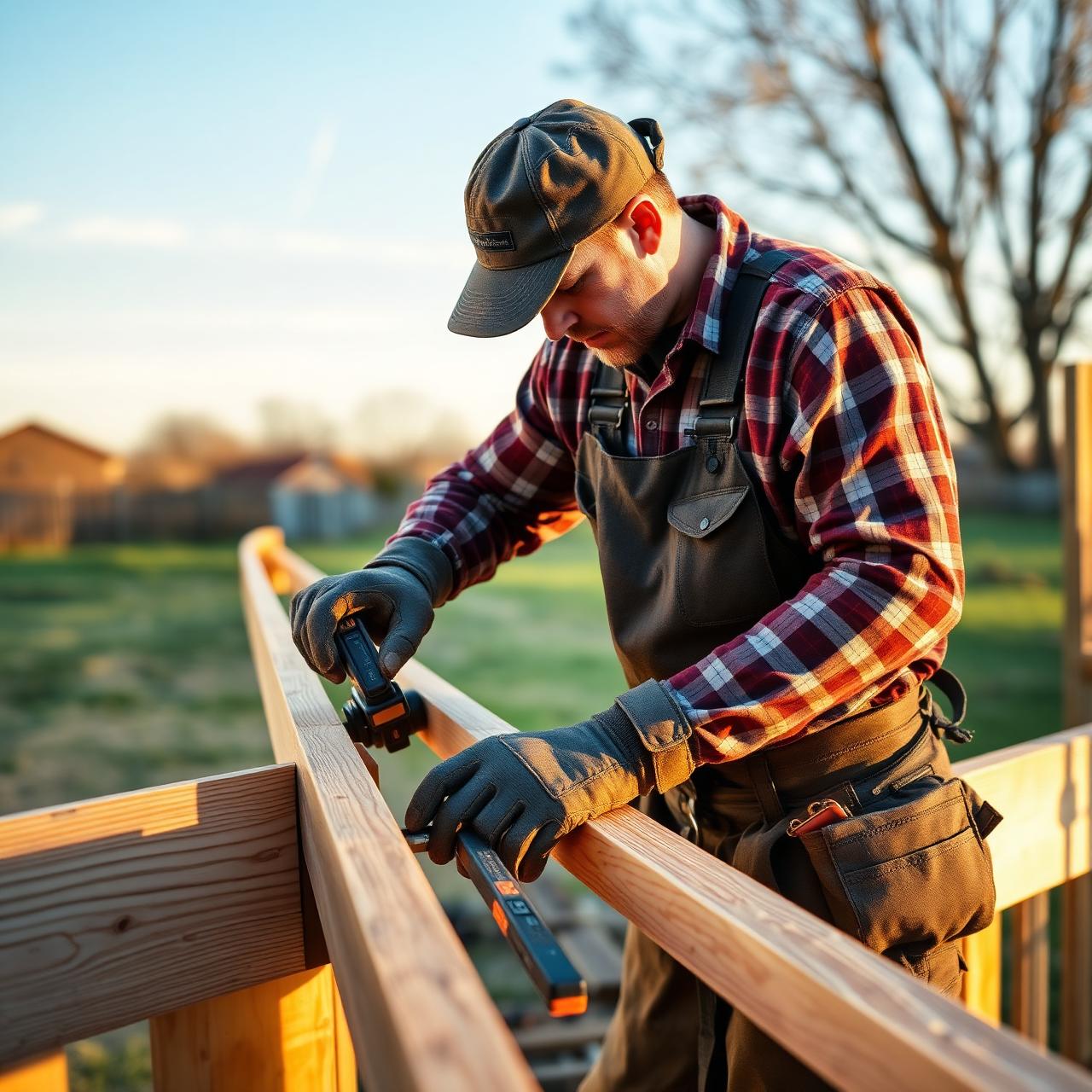
Use this fence and gate gallery to compare wood layouts, privacy, gate proportions, and hardware. Look beyond color: check how boards overlap, where posts sit, and how gates meet the fence. Photos help narrow your preferences, but they cannot confirm footing depth, hidden damage, property boundaries, or whether a design will fit your yard.
Home / Gallery
What should I look for in fence and gate photos?
Start with the problem you want the fence to solve. Screening a patio calls for a different comparison than enclosing a side yard or creating a wider equipment opening.
Look at the overall layout first, then examine individual details:
- Board spacing: Open gaps, closely spaced pickets, and overlapping boards provide different sightlines.
- Post placement: Notice whether posts are exposed or concealed behind the fence face.
- Top profile: Compare a straight top, individual picket tops, and a continuous cap.
- Gate location: Consider how the opening connects to a walkway, driveway, or working area.
- Ground clearance: Look for changes between the fence bottom and the soil.
Save the details you like rather than treating one photograph as a complete construction specification.
How do wood fence layouts affect privacy?
Privacy depends on the arrangement of the boards and the angle from which someone views the fence. A front-facing photograph may hide gaps that become visible from the side.
| Side-by-side pickets | Seams between neighboring boards | Wood movement can change the gaps over time. |Board-on-board | Overlapping pickets | Overlap helps block direct sightlines through board seams. |Alternating-board layout | Boards mounted on opposite sides of the rails | Angled views may remain open, depending on spacing.
Compare the fence from both sides when those views are available. If privacy is your priority, identify the specific view you want to screen, such as a nearby window or an outdoor seating area. Fence height alone does not answer that question.
Which gate details matter beyond appearance?
A gate needs to move reliably, carry its own weight, and latch without being lifted into place. A photograph can show some components, but it cannot demonstrate how the gate operates.
Look for hinges, a latch, the gate frame, and any diagonal bracing. Ask how those parts work together rather than assuming decorative boards provide adequate support.
For a double gate, pay attention to the meeting point between the leaves. A drop rod can hold one leaf stationary while the other opens. The receiving point and surrounding surface need to suit that arrangement.
Also consider:
- Whether the gate swings inward or outward.
- Whether the swing path crosses rising ground.
- Where someone will stand to operate the latch.
- Whether the opening must accommodate bins, lawn equipment, or other regular access.
An attractive gate can still be inconvenient if its width, swing, or latch placement does not match daily use.
Should I repair my fence or replace it?
Base this decision on the condition of the supporting structure, not just the appearance of the boards. Weathered wood does not automatically require replacement, while a recently stained fence can still have damaged posts or connections.
| A few split or loose pickets | Nearby rails and posts remain sound | Similar damage extends across multiple sections |One loose fence section | The failed connection or component is isolated | Several posts or rails have deteriorated |A leaning fence | The cause is limited and repairable | Movement affects much of the fence line
A close inspection should establish what can be reused. Replacing boards without addressing a failed post or rail leaves the underlying problem unresolved.
How should I compare wood color and finish in gallery photos?
Use photographs to identify a general finish preference, not an exact color match. Sunlight, shade, camera settings, surface moisture, and the age of the wood can all affect the appearance.
Separate three choices when reviewing a reference:
- The wood itself: Grain and natural variation remain part of the finished appearance.
- Surface preparation: Existing coatings and weathering affect preparation needs.
- The finish: Opacity influences how much grain and color variation remain visible.
If you want to match an existing fence, include close-up and wider photographs. An aged section and newly installed boards may look different even when finished with the same product.
Ask about the preparation and maintenance associated with the proposed finish, not just the initial appearance.
How does sloping ground change a fence design?
A design photographed on level ground may look different along a sloped fence line. Before choosing a reference, compare the ground conditions as well as the boards.
A stepped fence changes elevation between sections. A fence that follows the grade adjusts its layout along the slope. Each approach affects the top line, bottom gaps, and transitions around gates.
Where containment matters, pay particular attention to openings near the ground. A gap that seems minor in a wide photograph may matter for your intended use.
Gate locations need separate consideration because a swinging leaf must clear the surface throughout its travel. Photographs of the full opening and adjacent ground are more useful than a close-up of the gate face alone.
What should I send when requesting a fence or gate estimate?
For a Dallas–Fort Worth estimate discussion with Morrison Gate & Fence, gather enough information to explain the work without trying to produce a construction drawing.
Useful details include:
- The property address and the section you want assessed.
- Whether you need a new fence, replacement, repair, or gate work.
- Wide photographs showing the full fence line or opening.
- Close-ups of leaning posts, damaged rails, loose boards, or gate hardware.
- Approximate fence length or opening width, if safely accessible.
- A reference image with a note explaining which feature you like.
For a gate, distinguish the existing clear opening from the overall space between nearby structures. Measurements are helpful starting points, but final dimensions and site conditions need confirmation before construction.
Can I request a fence that looks like a reference photo?
Yes. Use a reference photo to explain the board layout, top profile, finish, or gate style you prefer. Matching the appearance depends on the available materials and your site conditions. Identify the features that matter most, and ask which details would need to change for your property.
Can a gallery photo prove that a fence is structurally sound?
No. A photograph may reveal leaning posts, sagging gates, missing fasteners, or damaged boards, but it cannot establish footing depth or the condition of concealed connections. Structural assessment requires checking the fence itself. Treat photographs as a way to compare appearance and flag questions, not as proof of construction quality.
Can an existing gate be repaired instead of replaced?
Sometimes. A loose hinge, worn latch, or isolated frame problem may be repairable if the gate and supporting posts remain sound. Replacement may make more sense when deterioration affects several components or the opening no longer suits your needs. The cause of sagging should be identified before choosing either option.
Can I use a gallery photo for an HOA submission?
A gallery photo can help illustrate the appearance you want, but it may not provide everything an association requests. Confirm any submission requirements directly with your HOA before proceeding. Depending on those requirements, you may need dimensions, material information, or a drawing rather than a photograph alone.
Discuss your fence or gate plans. Call Morrison Gate & Fence at (469) 654-7729 to request an estimate. Bring your reference photos and questions so the discussion can focus on your property, access needs, and preferred layout.