Plano, TX
Fence Repair in Plano, TX
How a fence gets repaired depends on what is actually wrong and how far it reaches. Loose or broken boards, weakened rails, posts that move, sections that lean, and fencing beside gates each call for a different fix, and the overall stability of the fence decides whether repair is worthwhile at all. Some damaged fences are good repair candidates; others are closer to the end of their life.
Fence Repair for Plano Homes
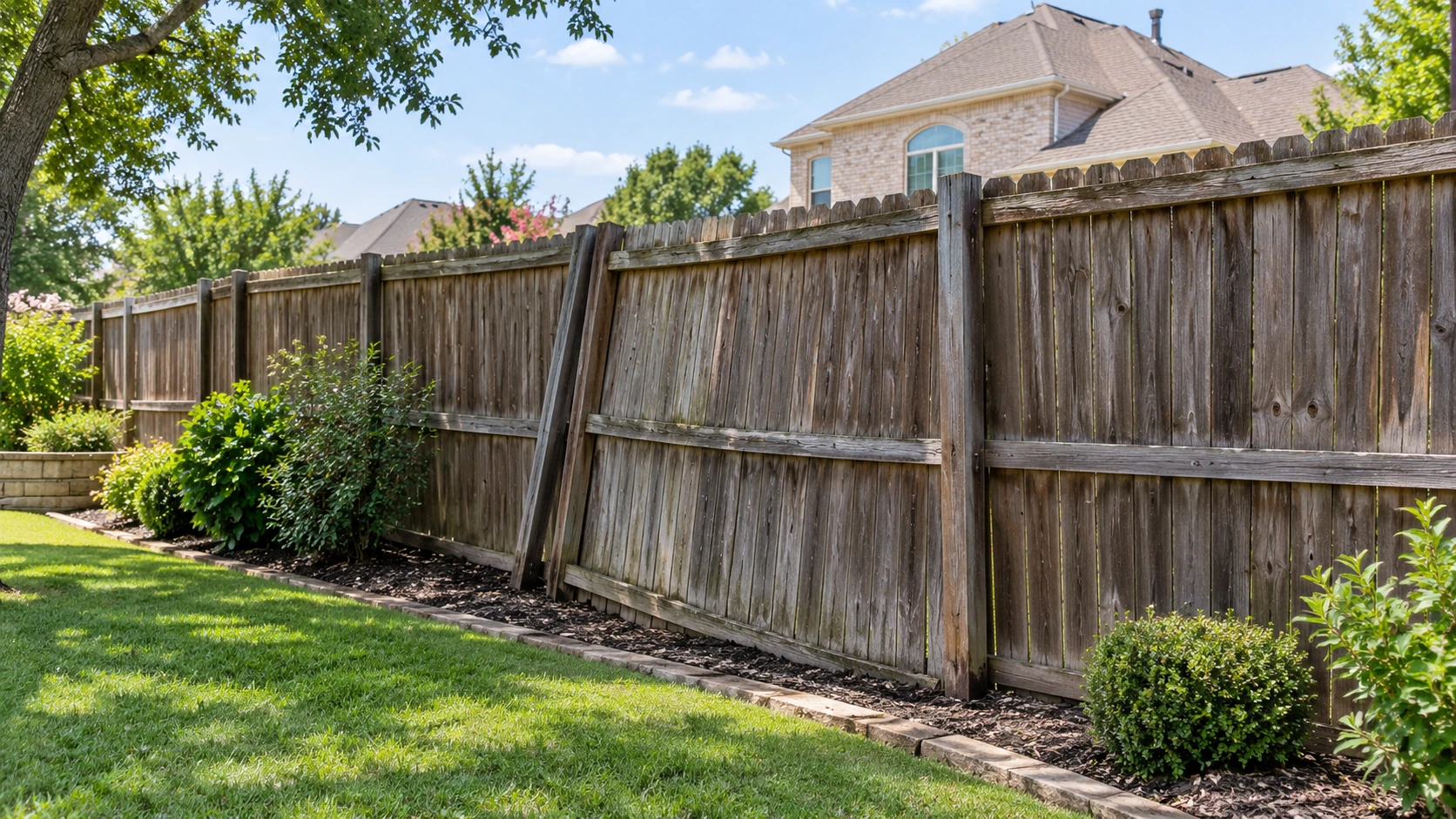
Typical repair requests in Plano involve a handful of boards that have split or gone missing, a rail that has worked loose from its post, or a run of fence that has started to tip. Unstable posts, weathering concentrated in one stretch, and fence sections right beside a gate are also common, as are fence lines that have slowly shifted out of straight.
The first step is sorting out whether the problem is isolated or a symptom of something broader, such as a failing post pulling neighboring panels with it. That answer shapes what kind of repair makes sense.
Wood Fence Repair in Plano
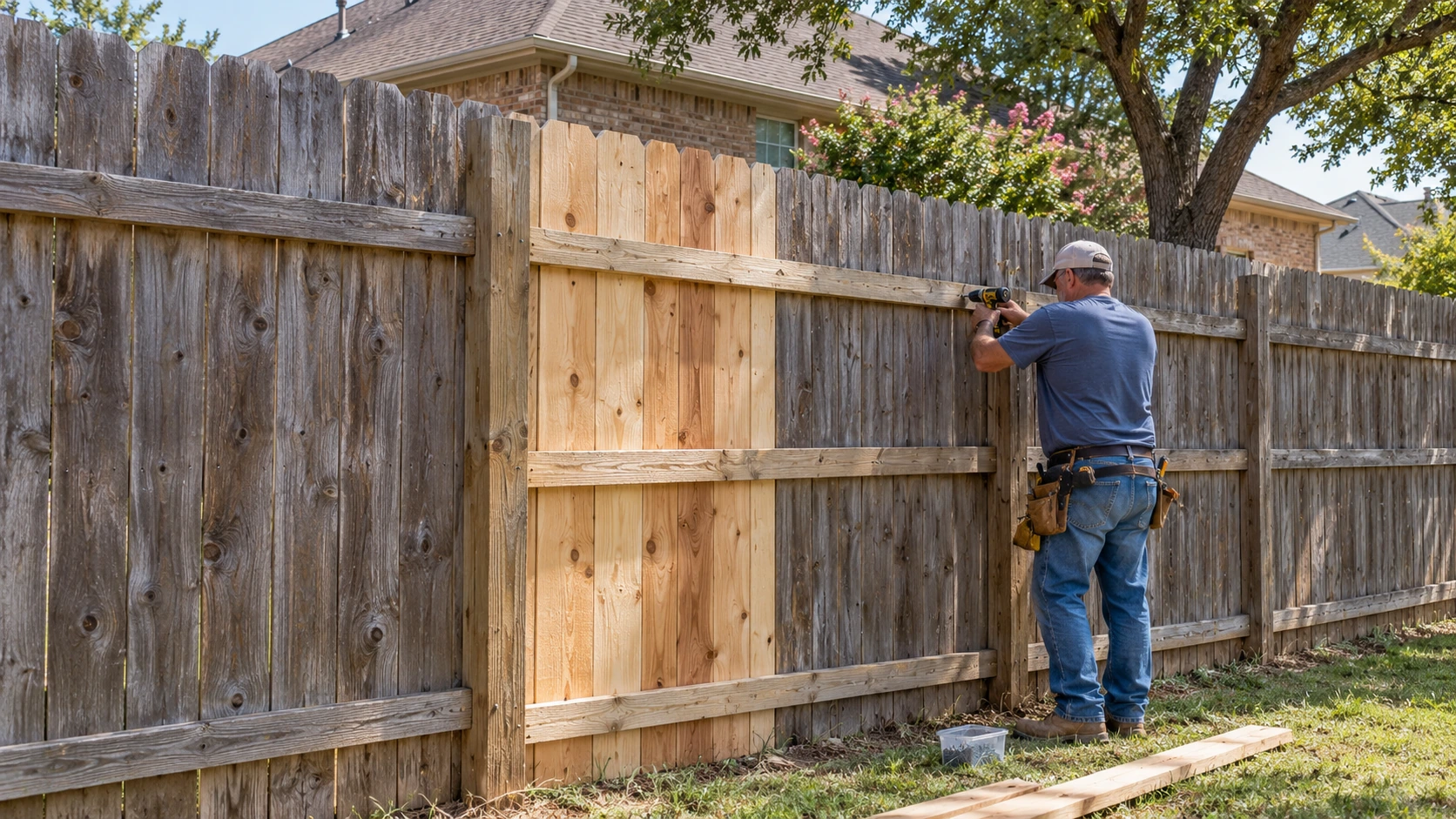
Wood fence repair often starts with the boards: pulling damaged ones and fastening new boards in their place. Loose rails are re-secured, and localized sections that have deteriorated can be rebuilt without touching the rest of the line. Along the way, the connections where rails meet posts are checked, since a weak joint can undo a board repair quickly.
We also look at the fence beyond the damaged spot. If the surrounding wood is in fair shape, a targeted repair is reasonable. New boards will generally look different from weathered ones at first, so expect some visible contrast.
Fence Post Repair
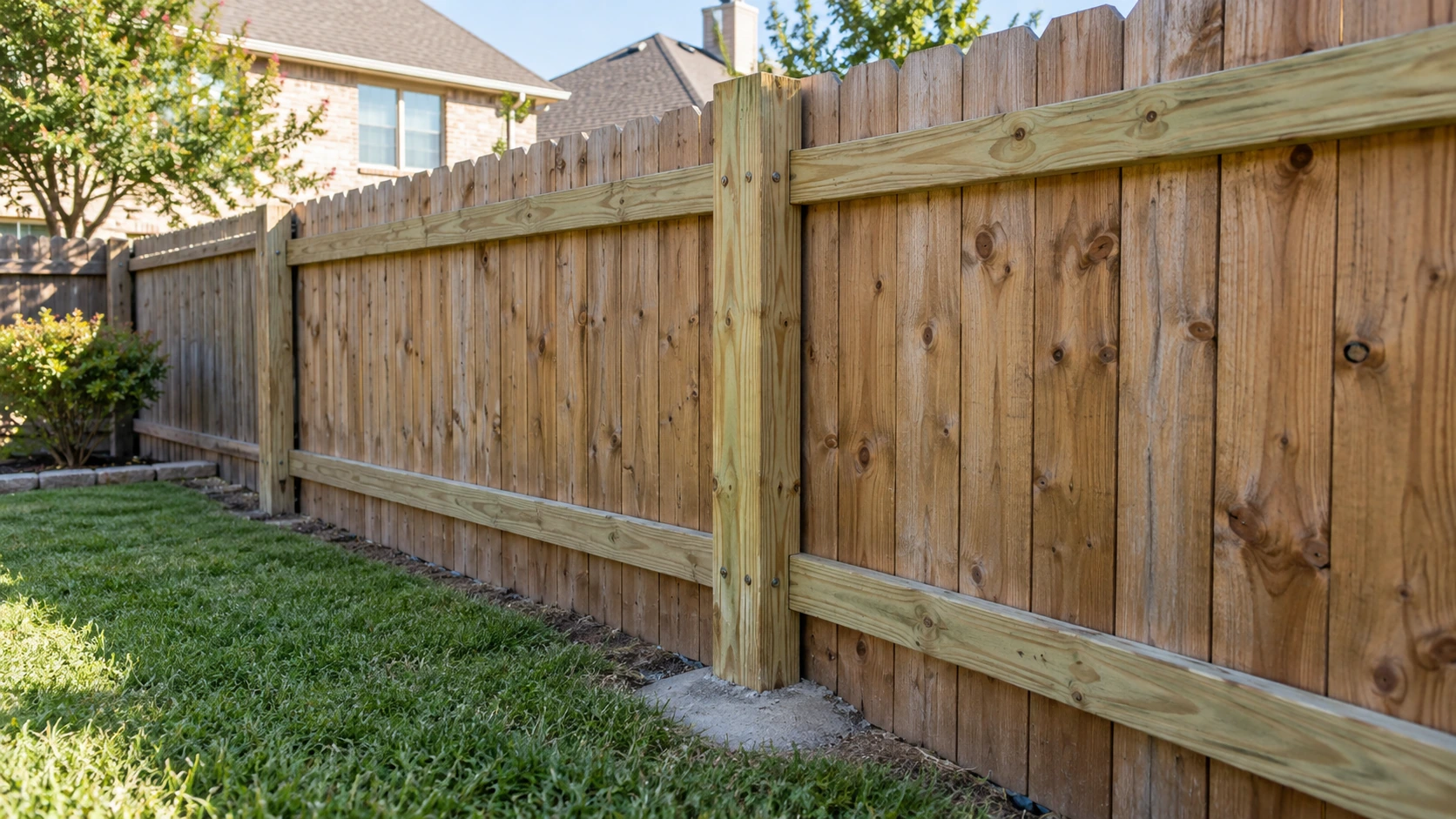
Posts carry the whole fence, so a loose or leaning post tends to show up elsewhere: rails bow, boards separate, and the section beside it starts to tilt. Deterioration near the base, where the post meets the ground, is a frequent culprit.
Some posts can be stabilized with a localized repair. Others have deteriorated enough that replacing the post is the more sensible route. The right approach depends on the post, its footing, and the rails tied into it, so there is no single method that fits every situation.
Residential Fence Repair
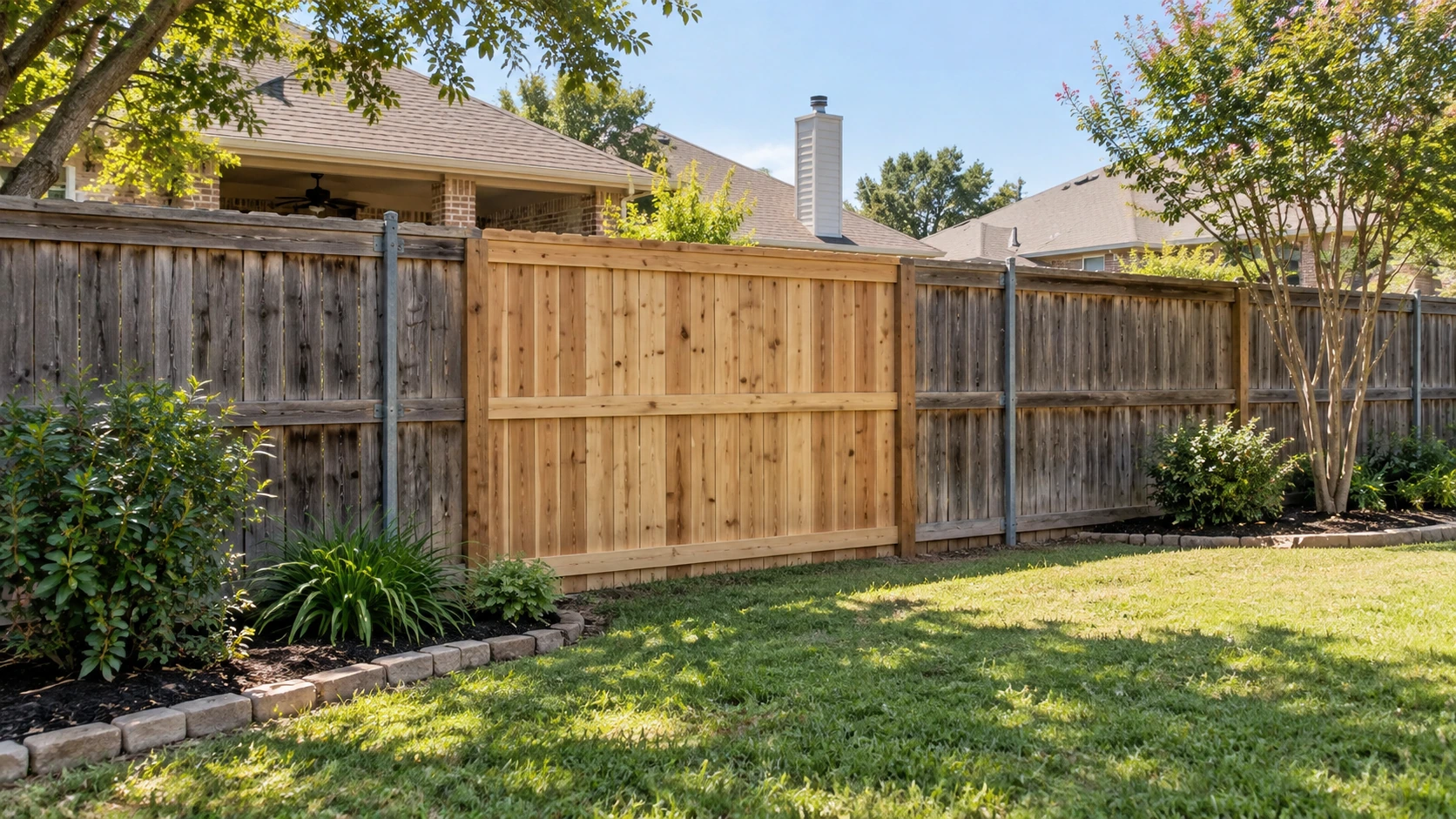
Residential repairs happen in lived-in spaces: back yards where kids and pets play, narrow side yards, and boundary lines shared with neighbors. Privacy fencing gets particular attention because a single gap or fallen panel undoes the screening the fence was built for.
Planting beds, trees, and shrubs along the fence can limit access, so repairs are planned around the landscaping where possible. Areas near gates are checked too, since that fencing takes daily wear.
Signs a Fence May Need Repair
- Boards that rattle, pull away, or have fallen off
- A section that tilts noticeably compared with the rest
- Posts that move when pushed
- Cracked or broken rails
- Gaps between boards that keep getting wider
- A gate that no longer lines up because the fence beside it has shifted
- Rot or wear concentrated in one area
None of these necessarily means the whole fence is failing, but catching them early keeps repairs smaller.
Fence Repair vs. Fence Replacement
Repair usually makes sense when damage is localized, most posts and rails are still serviceable, and only individual boards or sections are affected. Replacement deserves a closer look when deterioration is widespread, several posts are unstable, repairs keep recurring, or your layout or privacy goals are changing.
Our fence repair page outlines the repair process in general. If replacement is the better call, see fence installation or our Plano wood fence installation guide.
Fence Repair Around Gates and Access Points
When fencing next to a gate moves, the gate feels it. A shifting gate post or panel can throw off the alignment of a walk gate or driveway gate, reduce clearance so the gate drags, or keep the latch from catching. Repairing the fence side often involves checking those gate posts and nearby panels at the same time.
If the gate itself needs work, our gate repair page covers that, and gate installation and the Plano driveway gate installation guide cover new entrances.
Repairing Privacy Fence Sections
Privacy fences tend to fail in pieces: a broken picket here, a loose board there, a damaged rail, or a gap that opens when a post starts to move. Each of these can usually be addressed within the affected section, as long as the posts on either side are sound.
Replacement boards will be new wood next to weathered wood, so an exact visual match isn't something to count on. The difference often becomes less noticeable over time.
Plano Fence Repair Planning Considerations
Plano lots vary, from interior lots with long shared back lines to corner lots with fence facing the street. Mature landscaping, tight side-yard access, and the fence lines already in place all affect how a repair is approached, as do gates and any masonry columns or walls the fence ties into.
We serve homeowners across Plano, including Willow Bend and West Plano, and elsewhere in Collin County. If your neighborhood has an HOA, or City of Plano requirements may apply, please confirm those rules before repairs begin.
Fence Repair FAQs
Can individual fence boards be replaced without replacing the whole fence?
In many cases, yes. If the rails and posts behind a cracked or missing board are still solid, the board can usually be replaced by itself. When the framing behind it is also worn, the repair may need to extend a bit further.
What causes a wood fence to start leaning?
A lean usually traces back to a post that has loosened or deteriorated near the ground. Soil movement, wind load on solid privacy panels, and aging rails or fasteners can all contribute. The cause is best confirmed on site.
Can a damaged fence post be repaired?
Sometimes. A post with limited damage may be reinforced or reset, while one that is badly deteriorated at the base is often better replaced. The condition of the post, its footing, and the attached rails all factor in.
How do I know whether a fence should be repaired or replaced?
Look at how much of the fence is affected. A few problem boards or one weak post usually point to repair. Widespread wear, several unstable posts, or repeated fixes along the same line suggest replacement is worth comparing.
Can fence damage affect gate alignment?
Yes. Gates hang from and latch to fence posts, so if a nearby post or panel shifts, the gate can sag, rub, or stop latching cleanly. Those posts are typically checked along with the gate.
What should I check before repairing a fence in Plano?
Note where the damage is and how far it extends, whether the fence is shared with a neighbor, and whether any HOA guidelines or City of Plano requirements may apply. Homeowners should confirm those rules themselves before work begins.
Fence Repair in Plano
Whether it's one broken board by the patio or a section pulled out of line by a failing post, the goal is the same: fix what's actually damaged and give you a clear view of the fence's overall condition. For other fence and gate services in the city, visit our Plano service area page.
Need Help With a Damaged Fence in Plano?
Tell us what you're seeing and we'll set up a free estimate.