Dallas, TX
Commercial Gate Repair in Dallas, TX
Morrison Gate & Fence diagnoses and repairs commercial gate systems at controlled property entrances in Dallas — the gate, the operator, and the devices that authorize entry, treated as one system rather than separate parts.
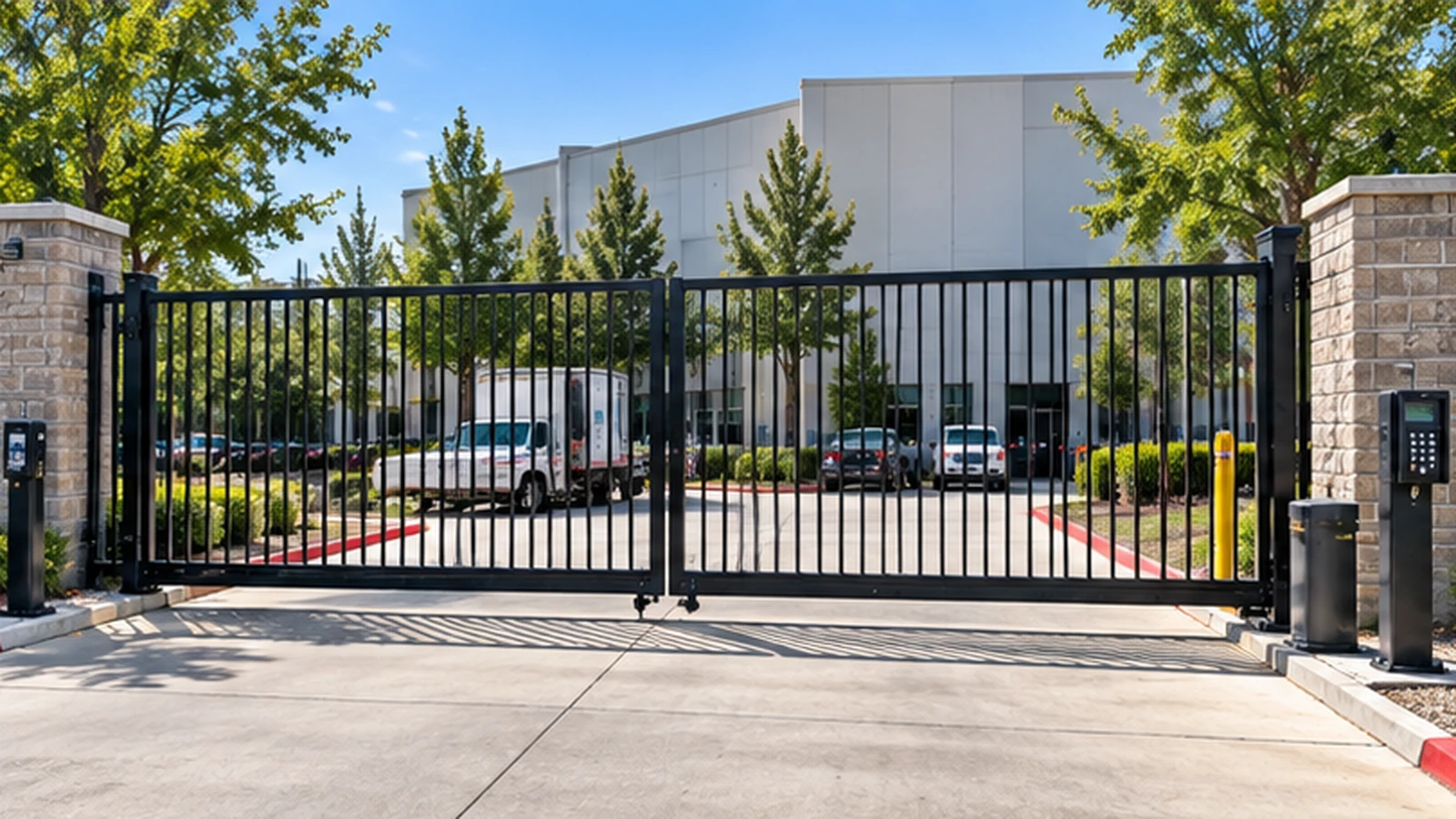
Commercial Gate Problems We Diagnose and Repair
A business entrance has two failure states that matter, and both are disruptive: the gate stays open, so the controlled entrance no longer controls anything, or it stays closed, so tenants, staff, and deliveries cannot get through. What a property manager reports is usually the symptom; the useful work is separating an electrical fault from a control fault from a mechanical one.
- The gate will not open, leaving vehicles waiting at the entrance
- The gate will not close, so the entrance stays open
- Movement is inconsistent from one cycle to the next
- The gate starts and then stops halfway through its travel
- The operator runs but the gate moves little or not at all
- A keypad, reader, or intercom does not trigger the gate
- Power, wiring, or battery supply problems at the operator
- Alignment, hinge, roller, or track issues in the gate itself
- Intermittent operation that returns after appearing to resolve
Intermittent faults deserve particular attention on a commercial entrance. A gate that fails once a week and then behaves normally is often reported as fixed, but the underlying cause — a marginal connection, a weakening battery, a sensor affected by weather, or hardware beginning to bind — usually returns under higher cycle counts. Describing when and how often the problem happens helps narrow the diagnosis.
Commercial Sliding Gate Repair in Dallas
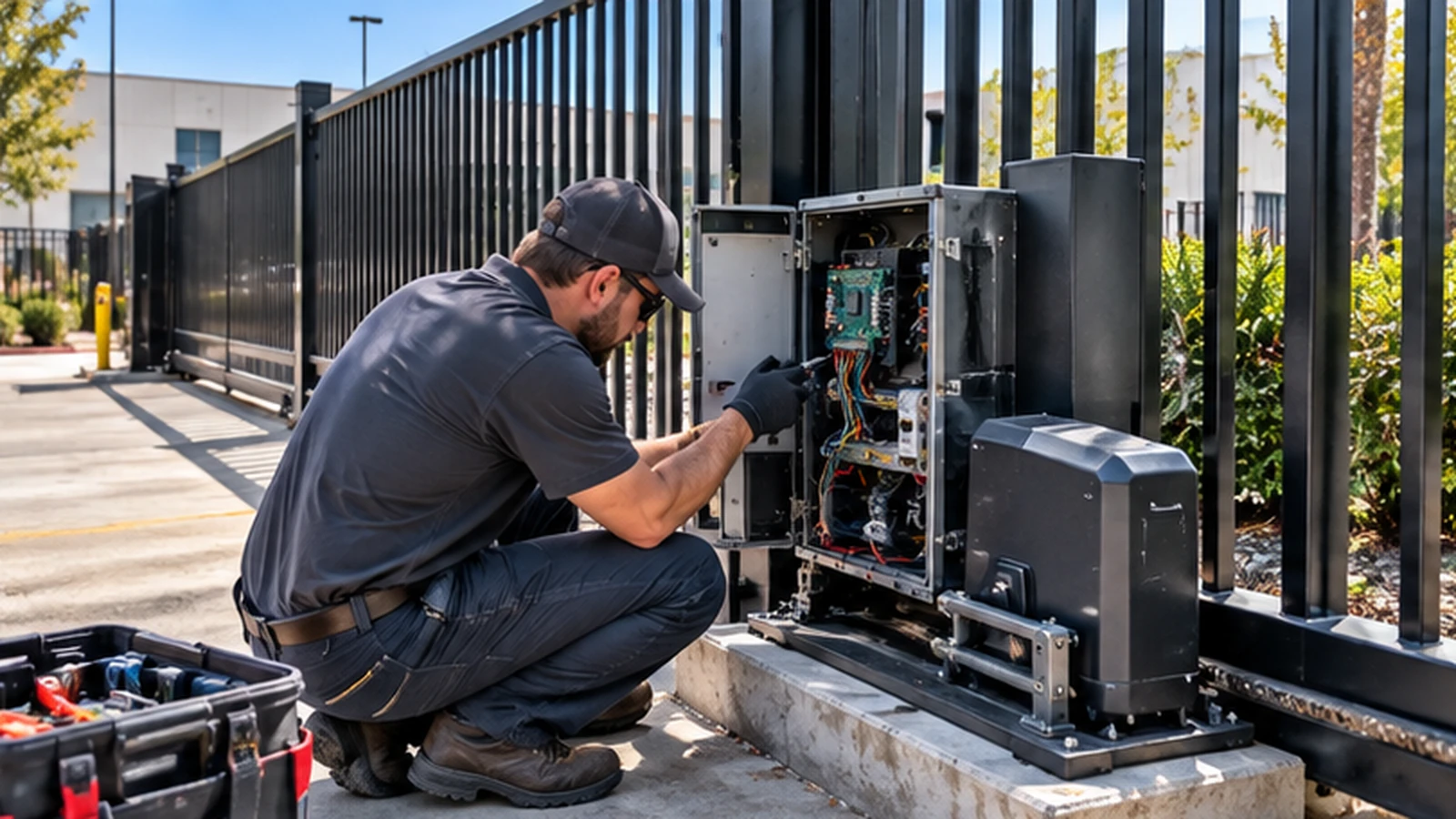
Sliding gates carry most commercial entrances because they need no swing clearance and handle repeated use. That same duty cycle is what wears them. Track-guided gates collect debris, gravel, and water in the track, and rollers eventually flatten or seize. Cantilever gates depend on roller assemblies and correct support spacing; when either shifts, the leaf drops or drags and the operator works against it.
Drive components are the other common area. Chain tension, gear racks, sprockets, and couplings all take load every cycle, and a slipping or worn drive will look like an operator fault from the outside. Ground movement at the posts and guide hardware can also throw a long gate out of line gradually, so the travel path gets checked along its full run rather than only at the operator. See our sliding gate systems service; if the entrance is a candidate for a new gate rather than a repair, our Dallas sliding gate installation page covers that side.
Gate Operator and Control System Troubleshooting
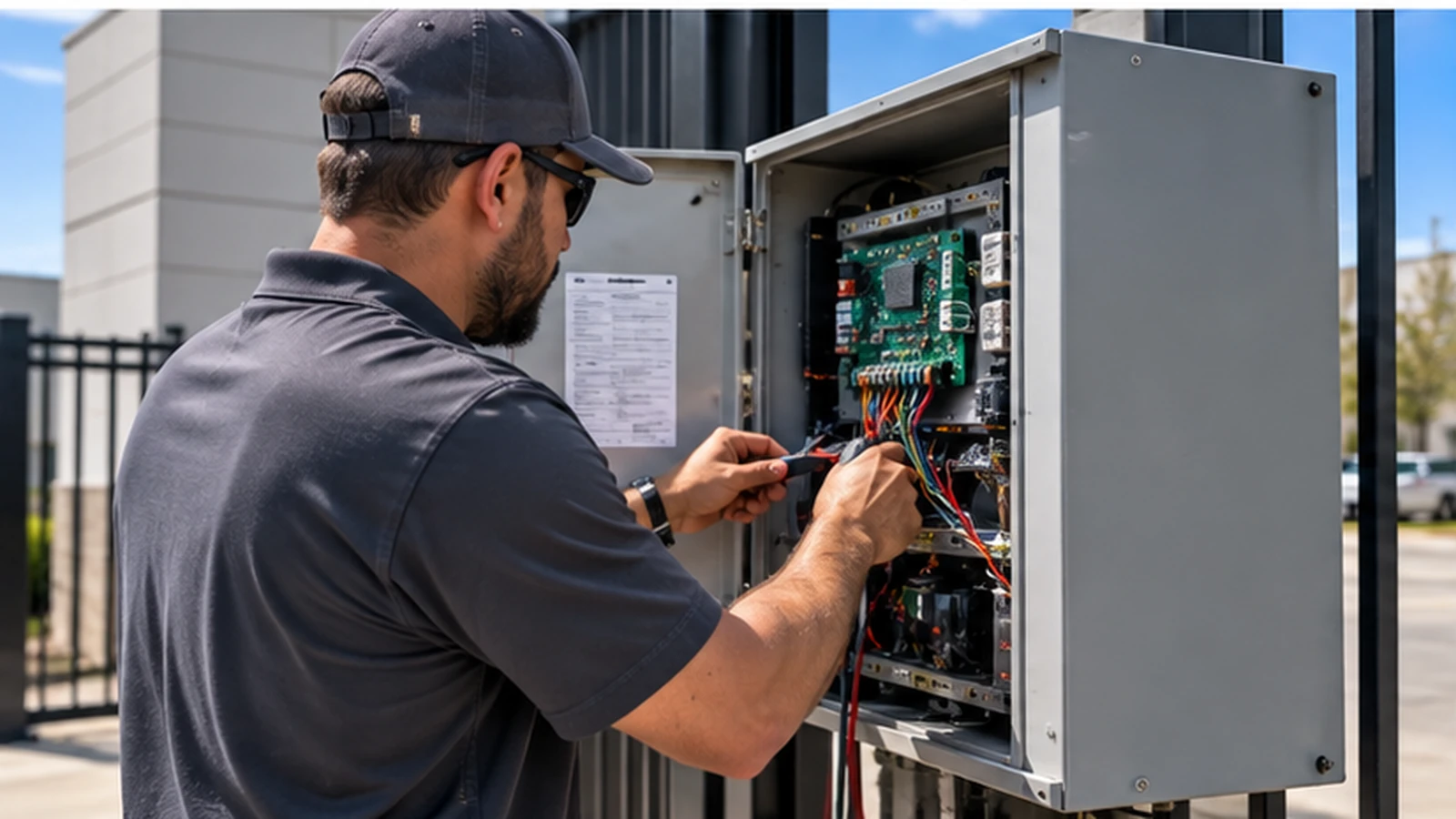
Diagnosis inside the cabinet follows the signal. Incoming power and any backup battery are checked first, then the control board and its indicators, then the inputs arriving from remotes, keypads, readers, loops, and safety devices. A board that never receives a valid open command behaves exactly like a board that has failed, so confirming what reaches the input is more informative than replacing parts in sequence.
Limit settings, obstruction sensing, and safety devices come next. An operator that reverses, hesitates, or refuses to complete a cycle is frequently doing what it was told by a sensor or limit rather than malfunctioning. Where a battery-backed or solar-supported setup is involved, charging condition and load are reviewed too. More on automatic gate systems and gate repair. We do not claim certification or affiliation with any gate operator manufacturer.
Commercial Access Control and Entry Systems
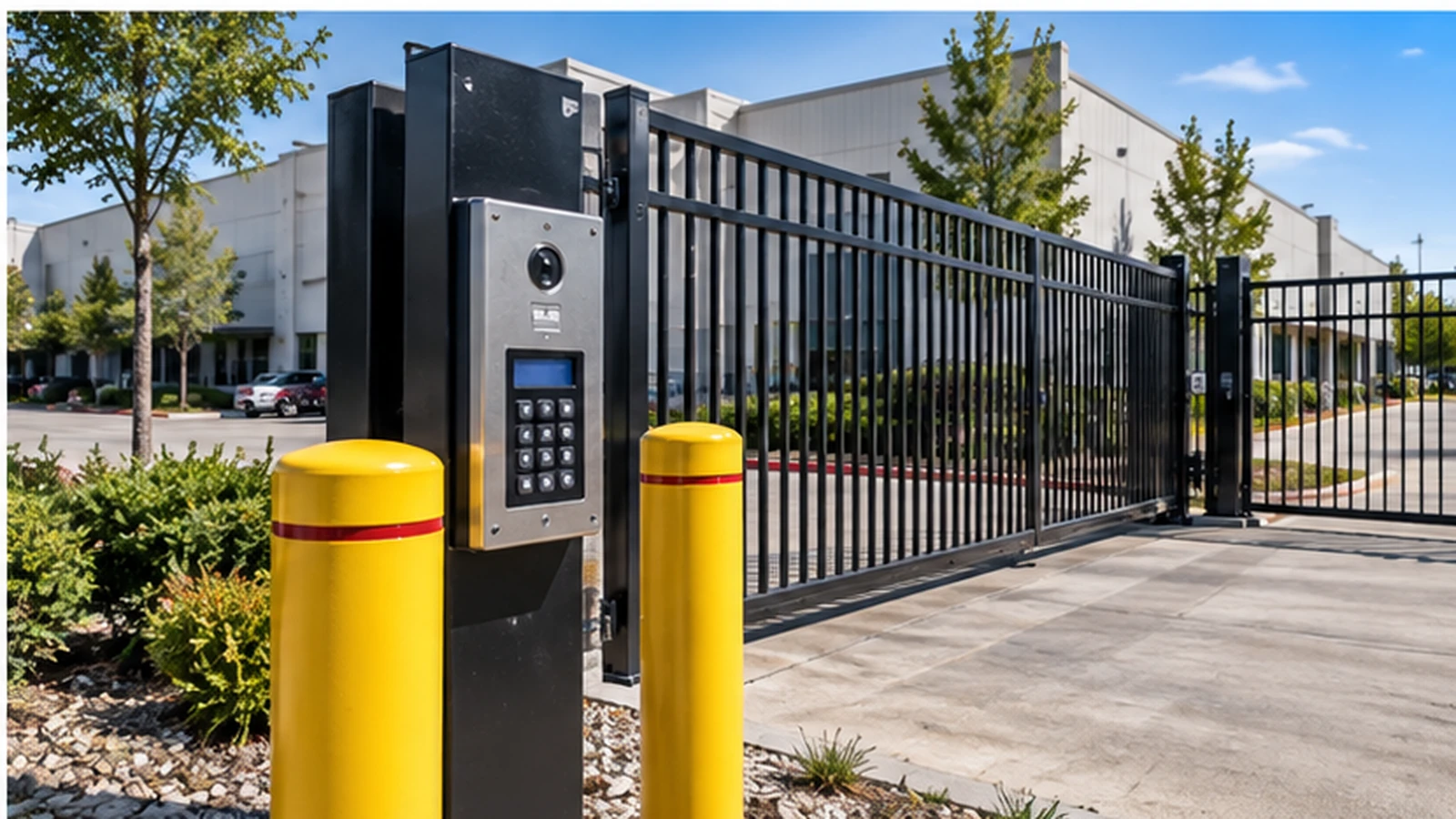
Most commercial gates are only half the entrance. The other half is whatever authorizes entry: keypads with individual codes, card or fob readers, telephone and intercom entry for visitors and deliveries, and the wiring or network link that carries their signal to the operator. When entry stops working, the fault may sit in that device, its power, its connection, or the operator input it feeds — not in the gate.
Separating the two matters because the fix differs completely. A keypad that has lost power, an intercom that no longer passes a call, and a control board that ignores a valid input all present the same way to someone waiting at the entrance. Where an entrance is managed for tenants, staff, and visitors separately, restoring access without losing that separation is part of the repair. See gate access control, or our Dallas access control gate systems page if you are adding or upgrading entry equipment rather than repairing it.
Commercial Gate Repair vs. Replacement
The decision comes down to how much of the entrance is still sound. Structural condition is the first question: a frame with corrosion, cracked welds, or bent members is a different situation from a straight gate with a failed part. Alignment follows — if posts have moved or the ground has shifted, a repair may correct symptoms while the cause remains.
Then the operator and its components: age, condition, whether replacement parts are still available, and how heavily the entrance is cycled each day. Recurring failures across different components, rather than one part failing once, usually signal a system nearing the end of its service life. Extent of damage decides the rest. We assess the entrance before recommending either path, and we don't publish fixed pricing for this work, since the scope isn't known until the system has been inspected.
Types of Commercial Properties That May Use Gate Systems
Automatic gates show up wherever vehicle access needs to be controlled: warehouses and industrial sites, apartment and multifamily entrances, storage facilities, dealerships, controlled parking entrances, and fenced commercial yards. These are examples of property types that commonly use gate systems, not claims about specific projects we have completed.
Property type matters to diagnosis because it sets the duty cycle and the entry method. A multifamily entrance may run hundreds of cycles a day with resident and visitor access separated; a yard gate may cycle a few times but face heavy vehicles, dust, and weather; a parking entrance may depend on loops and readers more than on the gate itself. The same symptom carries different likely causes across them.
Commercial Sliding, Swing, and Automatic Gates
Repair needs follow the way a gate moves. Sliding gates concentrate wear in the track or cantilever hardware, rollers, guides, and the drive that pulls the leaf along. Swing gates put their load on hinges, posts, and the arms or linkage that push the leaf, so sag, binding at the arc, and post movement dominate their fault list.
Automation adds a third layer over either: operator, controls, safety devices, and entry equipment, each capable of stopping a mechanically sound gate. That is why the gate type shapes the inspection rather than just the parts list. More on commercial gates, sliding gates, and automatic gates. For residential systems, see our Dallas automatic gate repair page.
Repairing an Existing Commercial Gate vs. Installing a New System
There are three distinct jobs, and it helps to know which one you are asking about. Repairing an existing gate restores what is already there: a fault is found and the affected part is corrected. Replacing major components keeps the gate but renews the equipment around it — an operator, control board, or entry devices — usually because the existing hardware is worn or no longer supportable.
Installing a new system is a different project. It starts from the opening, the traffic, and the access requirements, and it sets the gate, supports, travel path, power, and controls together. If your entrance is functioning and you are planning an upgrade or a new gate instead, see our gate installation service or the Dallas driveway gate installation page.
Commercial Gate Repair FAQs
Why won't a commercial automatic gate open?
The cause is usually power, controls, or the gate itself. Power to the operator may be interrupted, a control board or battery may have failed, an entry device may not be sending a signal, or a safety sensor may be holding the gate. Mechanical binding at the hinges, rollers, or track can also stop travel even when the operator is working.
Why does a commercial sliding gate stop halfway?
A gate that starts and then stops partway usually meets resistance or loses its travel reference. Debris in the track, a worn or seized roller, a bent guide, a misaligned cantilever, or shifting ground can all increase load. Limit settings, obstruction detection, and encoder faults can produce the same symptom, so both the hardware and the operator need checking.
Can a commercial gate operator be repaired?
Often, depending on what failed and whether parts are still available. Control boards, batteries, wiring, limit hardware, and drive components are frequently serviceable items. A unit with widespread internal damage, corrosion, or discontinued parts may be better replaced. We identify the failure first rather than assuming either outcome.
What causes an access-control gate to stop responding?
The gate and the device that authorizes entry are separate systems. A keypad, reader, intercom, or telephone entry unit may lose power, lose its connection to the operator, or stop passing a signal. It is also possible the entry device works and the operator or gate is the problem, which is why the signal path is traced end to end.
Can an existing commercial gate be upgraded instead of replaced?
Sometimes. If the gate frame, posts, and travel path are sound, upgrades may be limited to the operator, controls, or entry devices. The gate's weight, dimensions, condition, and daily cycle count determine whether newer equipment can be fitted to it or whether the structure itself is the limiting factor.
How do I know whether a commercial gate needs repair or replacement?
Look at how much of the system is affected. A single failed component on an otherwise sound gate points to repair. Structural damage, persistent misalignment, corroded framing, an aging operator, obsolete parts, or repeated failures across different components suggest the entrance is nearing the end of its service life.
Commercial Gate Repair in Dallas
We service commercial gate systems across Dallas and the surrounding DFW area. Business entrances here face conditions that affect equipment over time: summer heat on operators and batteries, heavy rain around loops and low-mounted sensors, and ground movement that can pull posts and long sliding gates out of alignment. Those are general conditions, not claims about work at any named property.
For the full range of fence and gate services in the city, visit the Dallas service area hub.
Need Commercial Gate Service in Dallas?
Tell us what the gate is doing, how often it happens, the gate type, and what equipment is at the entrance. Photos of the gate and the operator cabinet help us prepare before we arrive.